
Varifocal, Varilux, Varifocus, Variview, Varimatic, Multifocus,… all synonyms and names for the same product: “multifocal lenses”.
What are multifocal lenses?
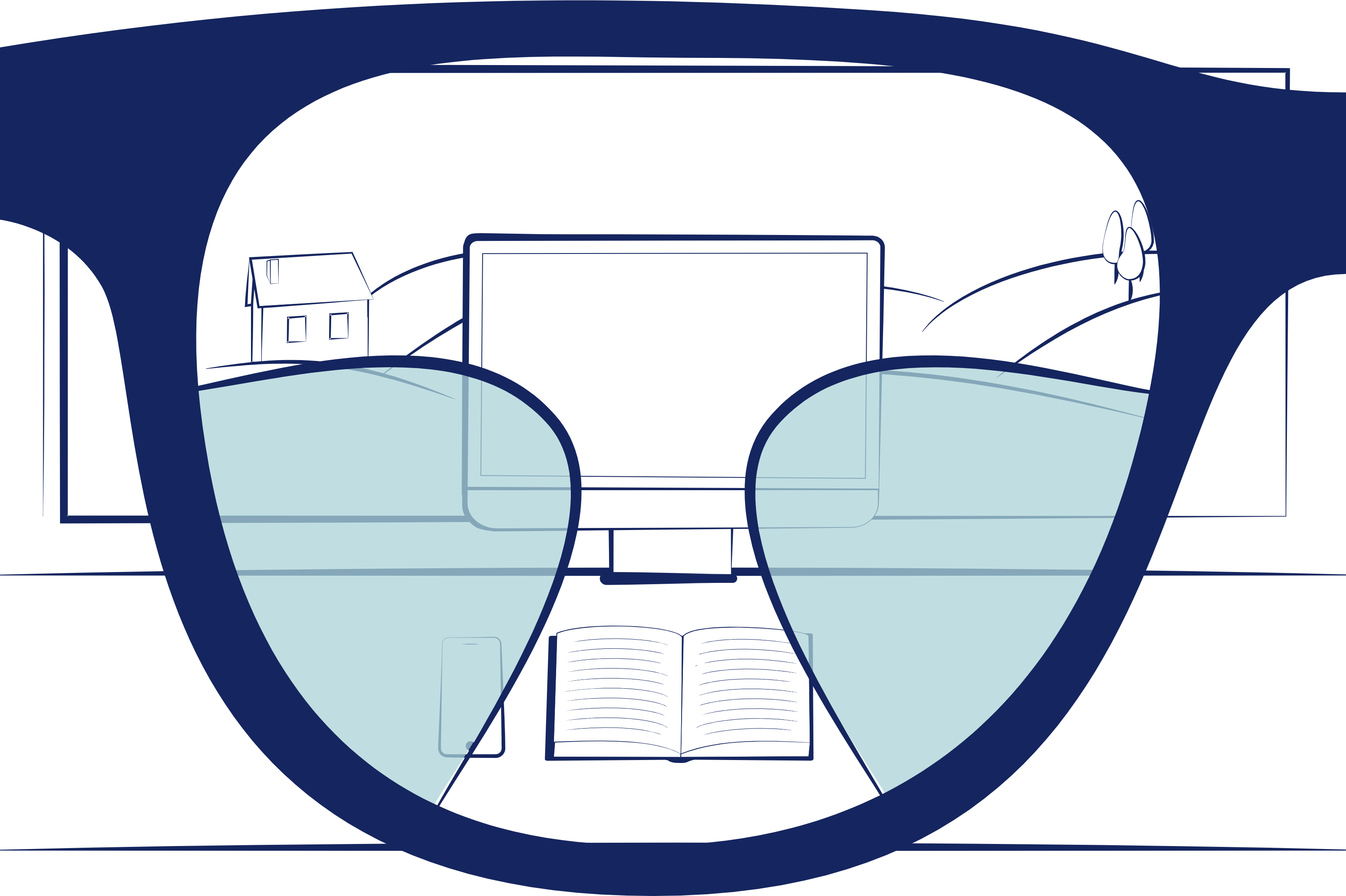
With multifocal lenses you can see sharply from far away to intermediate distance, such as when using a screen, all the way to reading distance. This works seamlessly. There are many advantages to wearing multifocal glasses, but there are also a few things to watch out for, especially if you regularly work at a screen.
At BIONAUT™ we like to make things easy for you. We always use the best quality digitally produced multifocal lenses.
Multifocal glasses are perfect to wear all day. Looking from far away, to computer distance, to close up happens gradually. For anyone who really wants to use just one pair of glasses, this is the perfect solution.
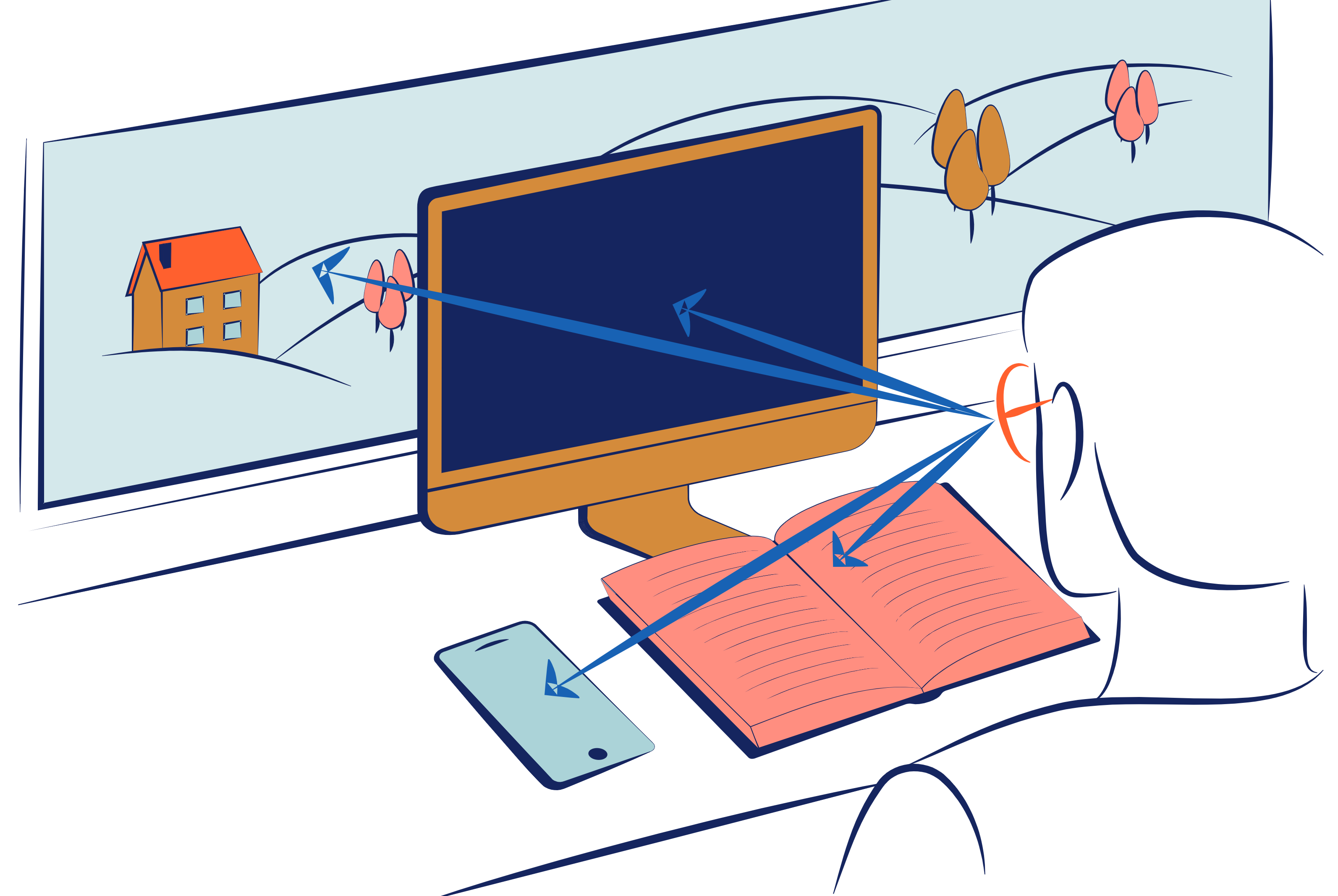
Advantages of multifocal glasses
- Sharp vision at all distances, from infinity to reading distance
- Easy to wear all day
Disadvantages of multifocal glasses
No ergonomic posture when using a screen. The head has to be tilted up to look through the screen section of the lens. It is therefore always advisable to get separate glasses for screen work that guarantee an optimal working posture
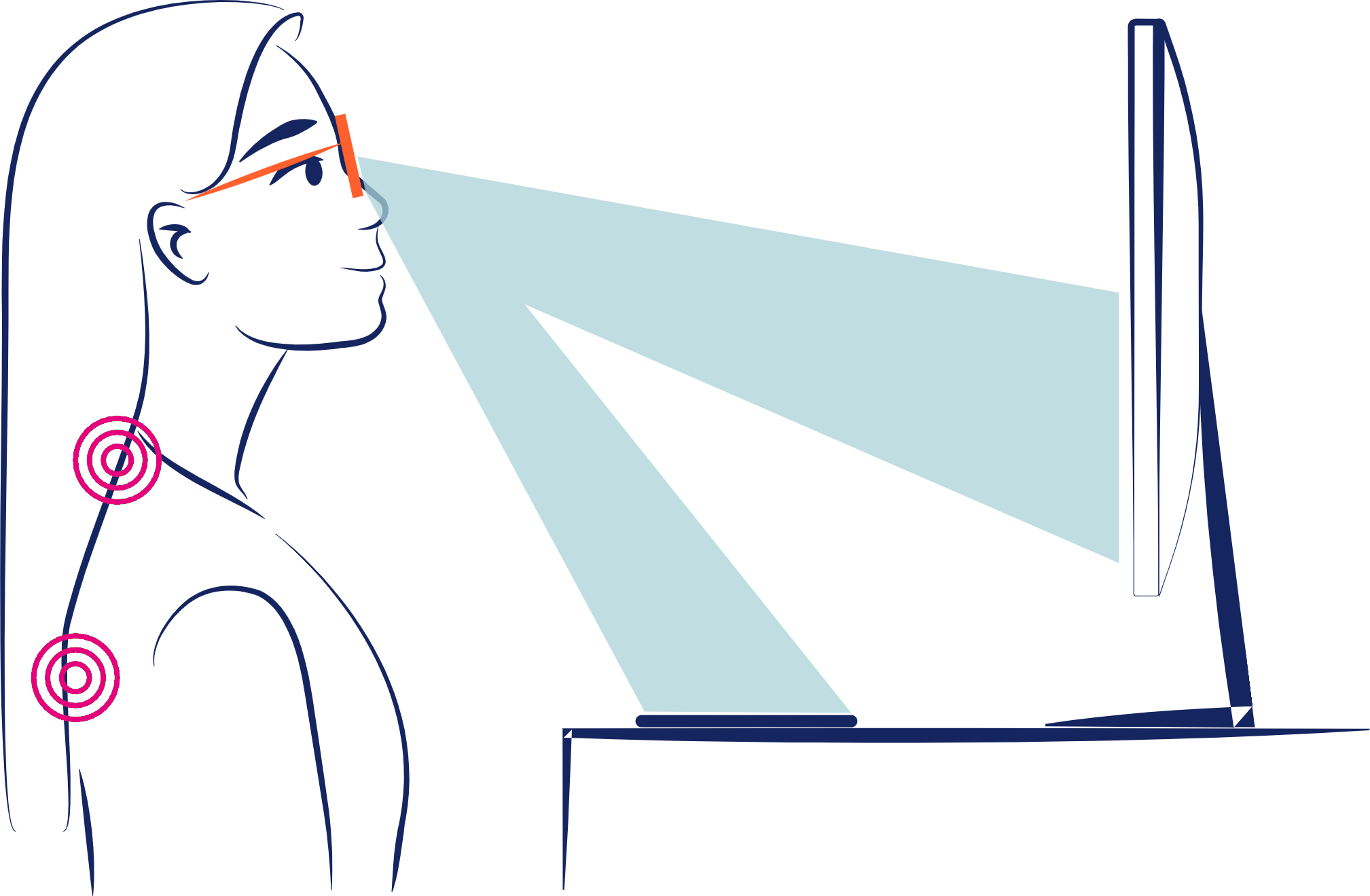
Ergonomics when looking at a screen and reading with multifocal glasses
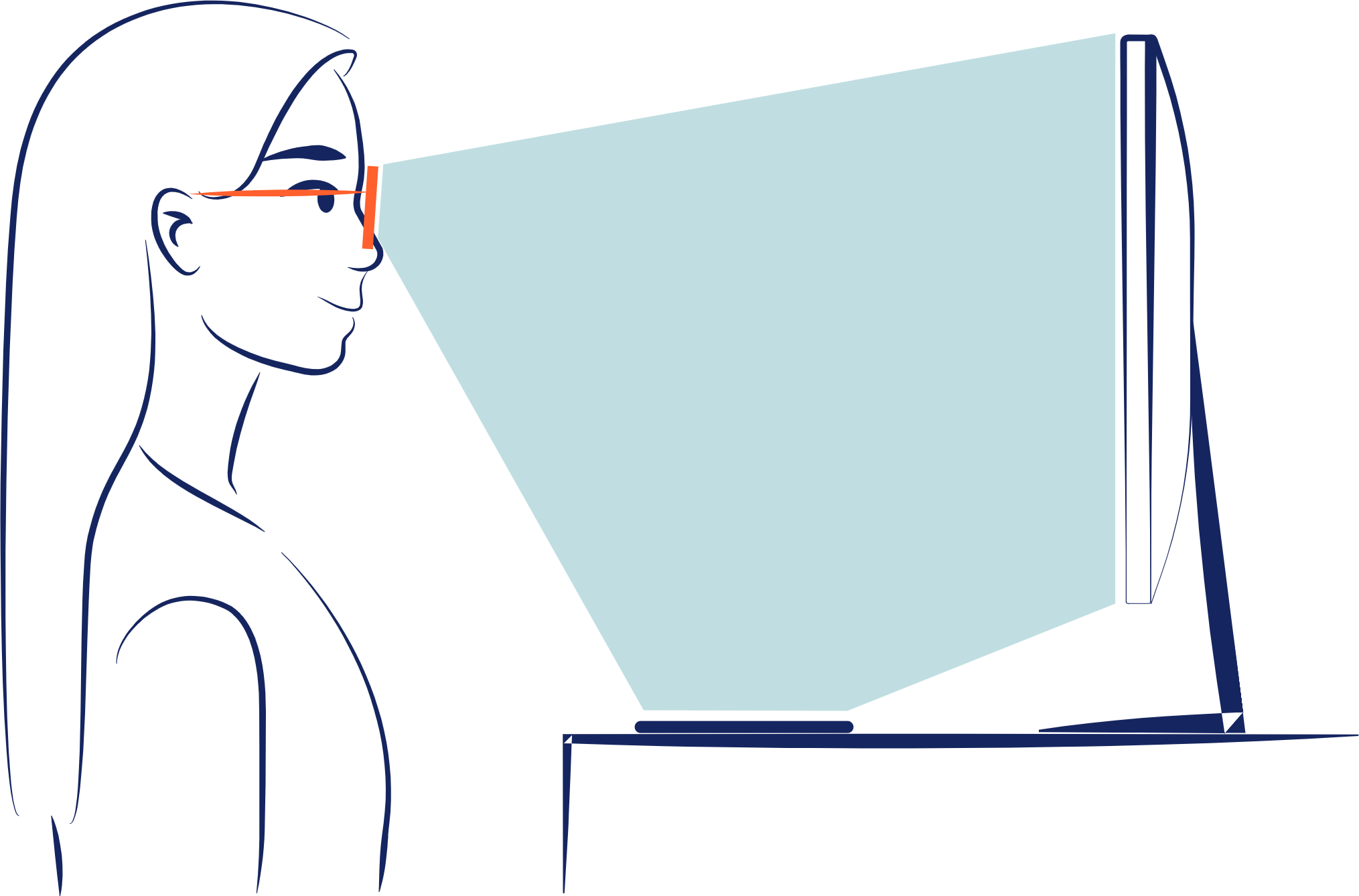
Ergonomics when looking at a screen with computer reading glasses
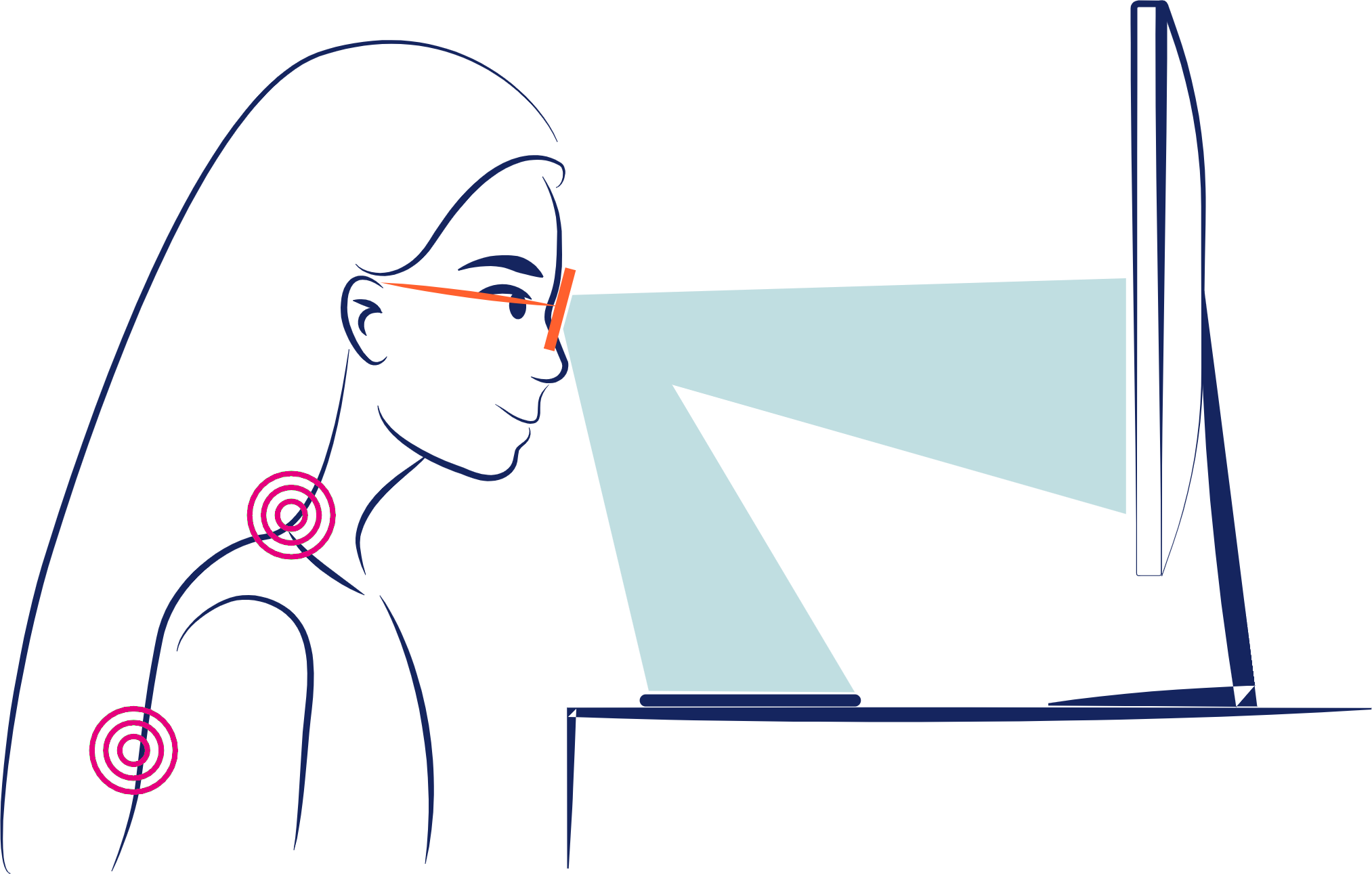
Ergonomics when looking at a screen with regular reading glasses
The field of view of multifocal glasses has some distortion with every multifocal lens when looking sideways and downwards. In these areas the multifocal lens is not 100% sharp. How this distortion is experienced depends on your individual distance and reading prescription and on the wearer's own experience.
Cost of multifocal lenses
At BIONAUT™ we have two solutions for multifocal glasses.
CUSTOM-MADE TO YOUR PRESCRIPTION: 150 EURO
Don't have glasses for distance or contact lenses? Then choose:
WITHOUT PRESCRIPTION: 70 EURO.
Always including hardening coating and super anti-reflective coating.
Computer reading glasses, screen glasses
Do you want the right ergonomic posture when working at a screen? Read here everything about computer reading glasses (screen glasses).
History of multifocal lenses
The first patent for the multifocal lens was a British patent granted to Owen Aves in 1907. This patent covered the manufacturing process and the design. However, it was never brought to market. Unlike modern multifocal lenses, it consisted of a conical back surface and a cylindrical front surface with opposing axes to create a difference in power from far to near.
The surface structure of the first multifocal lenses still resembled a bifocal lens, with an upper, aberration-free half of the surface for distance vision and a fairly large "segment" for clear near vision. The breakthrough in wearer adaptation and comfort, as well as peripheral and dynamic vision, however, came in 1972.
Early multifocal lenses were relatively crude designs. Right and left were identical lenses with variable power, with distance and reading power in the upper and lower part of the lens respectively.
However, the symmetrical lens design was hard for wearers to accept, because the eyes generally work asymmetrically. When you look to the right, your right eye sees temporally and your left eye nasally. Modern advanced multifocal lenses are designed asymmetrically for greater wearer acceptance and include special designs to accommodate many different types of wearers.
The typical multifocal lens is made from a so-called blank lens. It looks like a thick ice hockey puck of transparent plastic. This semi-finished lens is formed with an asymmetric power progression on the front of the lens. On the back, a custom surface is produced based on the wearer's prescription. With traditional grinding methods, using a metal grinding head and sandpaper, impurities arise in the lens, especially at high prescriptions. Freeform digitally ground lenses are made to measure for each prescription and do not have this problem.
Since the 1980s we have been able to minimize unwanted aberrations through improvements in the mathematical calculation of lens surfaces. This gives more control over the design of the multifocal lens.
Today the complex surfaces of a multifocal lens can be milled and polished by computer-controlled machines, which makes freeform digital grinding possible. The result: the purest multifocal glasses.